
Morganne Brown
LCSW· Accepting clientsArkansas · 8 yrs exp
Stress, Anxiety · Family · Trauma and abuse · Self esteem · +12 more
Read profileThe therapist listings are provided by BetterHelp and we will earn a commission if you use our link - at no cost to you.
Welcome to TherapistDirectory's guide to online therapists serving Arkansas. All therapists listed here are licensed in Arkansas - explore profiles to find the right clinician for your needs and schedule a virtual session.
Arkansas · 8 yrs exp
Stress, Anxiety · Family · Trauma and abuse · Self esteem · +12 more
Read profile
Arkansas · 25 yrs exp
Stress, Anxiety · Family · Trauma and abuse · Parenting · +13 more
Read profile
Arkansas · 19 yrs exp
Stress, Anxiety · Trauma and abuse · Sleeping · Anger · +12 more
Read profile
Arkansas · 13 yrs exp
Stress, Anxiety · Trauma and abuse · Self esteem · Depression · +12 more
Read profile
Arkansas · 14 yrs exp
Stress, Anxiety · Relationship · Family · Parenting · +13 more
Read profile
Arkansas · 26 yrs exp
Stress, Anxiety · Parenting · Self esteem · Depression · +8 more
Read profile
Arkansas · 37 yrs exp
Stress, Anxiety · Relationship · Trauma and abuse · Grief · +13 more
Read profile
Arkansas · 40 yrs exp
Stress, Anxiety · Addictions · Family · Trauma and abuse · +16 more
Read profile
Arkansas · 10 yrs exp
Stress, Anxiety · Parenting · Self esteem · Depression · +12 more
Read profile
Arkansas · 30 yrs exp
Stress, Anxiety · Trauma and abuse · Self esteem · Depression · +13 more
Read profile
Arkansas · 10 yrs exp
Stress, Anxiety · Addictions · Trauma and abuse · Self esteem · +13 more
Read profile
Arkansas · 6 yrs exp
Stress, Anxiety · Anger · Depression · Relationship · +7 more
Read profile
Arkansas · 9 yrs exp
Stress, Anxiety · Family · Self esteem · Depression · +13 more
Read profile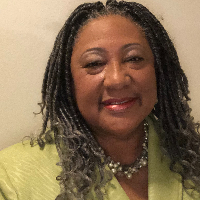
Arkansas · 17 yrs exp
Stress, Anxiety · Addictions · Family · Trauma and abuse · +9 more
Read profile
Arkansas · 23 yrs exp
Stress, Anxiety · Addictions · LGBT · Trauma and abuse · +7 more
Read profile
Arkansas · 14 yrs exp
Stress, Anxiety · Addictions · Trauma and abuse · Self esteem · +9 more
Read profile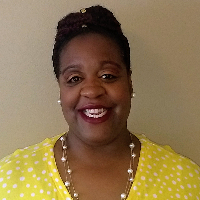
Arkansas · 16 yrs exp
Stress, Anxiety · Parenting · Anger · Self esteem · +14 more
Read profile
Arkansas · 14 yrs exp
Stress, Anxiety · Family · Trauma and abuse · Depression · +14 more
Read profile
Arkansas · 13 yrs exp
Stress, Anxiety · Addictions · Trauma and abuse · Self esteem · +4 more
Read profile
Arkansas · 24 yrs exp
Stress, Anxiety · Trauma and abuse · Anger · Self esteem · +5 more
Read profile
Arkansas · 27 yrs exp
Stress, Anxiety · Relationship · Depression · Coping with life changes · +15 more
Read profile
Arkansas · 17 yrs exp
Trauma and abuse · Anger · Self esteem · Bipolar · +8 more
Read profile
Arkansas · 9 yrs exp
Stress, Anxiety · Relationship · Family · Trauma and abuse · +1 more
Read profile
Arkansas · 31 yrs exp
Stress, Anxiety · Relationship · Trauma and abuse · Intimacy-related issues · +10 more
Read profileOnline therapy has expanded rapidly across Arkansas, connecting people in urban centers and rural communities with clinicians who can meet them where they are. You can access talk therapy, counseling for families, behavioral health support, and specialized care for issues like depression, anxiety, grief, and trauma through video, phone, or messaging formats. Many licensed clinicians who practice online maintain regular office hours and offer flexible scheduling to accommodate work, school, and family life. Because Arkansas has a varied landscape of towns, residents who previously faced long commutes now have more options for timely care. When you search for a therapist here, you will find professionals who list their credentials, areas of focus, and the formats they offer - making it easier to compare options and find someone whose approach aligns with your needs.
While the availability of services is broad, the way clinicians provide online care can differ. Some therapists focus on short-term, goal-oriented approaches while others emphasize longer-term psychodynamic or relational methods. You should pay attention to session type, technological requirements, insurance participation, and whether the clinician offers evening or weekend appointments. If you live in a county with limited in-person services, online therapy can be a practical route to consistent support. Keep in mind that state licensure rules influence who can offer services to Arkansas residents, so looking for therapists who explicitly note they are licensed to work with clients in Arkansas is an important step.
Online therapy brings several practical benefits that can be particularly helpful for people living in Arkansas. You can reduce or eliminate travel time, which matters if you are balancing work, childcare, or long drives to the nearest clinic. For those in remote or rural areas, virtual sessions expand access to therapists who might not have an office nearby. This convenience can make it easier to keep regular appointments and maintain progress over time. Online formats also offer more scheduling flexibility, which helps if you need early morning, evening, or weekend sessions around a busy life.
Beyond convenience, many people find online therapy allows them to choose from a wider range of specialties and therapeutic styles. If you are seeking someone with experience in trauma-informed care, faith-sensitive counseling, or culturally competent approaches, you have a stronger chance of finding the right match online. Some clients feel more comfortable sharing personal concerns from their home environment, which can help conversations feel more natural. However, you should consider your own preferences - some people prefer in-person contact, while others experience better engagement through virtual sessions. Ultimately, online therapy offers options that make mental health care more adaptable to your schedule and needs.
Licensed online therapists in Arkansas provide support for a wide range of emotional and behavioral concerns. You can seek help for mood disorders such as depression and anxiety, coping with stress, grief and loss, relationship challenges, parenting concerns, and life transitions like relocation or job changes. Clinicians also offer assistance for more targeted issues including obsessive thoughts, phobias, adjustment difficulties, chronic illness coping, and workplace stress. For couples, therapists trained in relationship or marriage counseling can work with you and your partner remotely to improve communication and resolve conflict.
Specialty services are also widely available. If you are navigating trauma, many clinicians use evidence-based approaches such as trauma-focused therapies that are adapted for online delivery. Therapists who work with adolescents and young adults often incorporate family systems perspectives and strategies for school-related stress. Additionally, you can find clinicians who focus on perinatal mood and anxiety concerns, men's mental health, multicultural counseling, and support for LGBTQ+ individuals. When reviewing profiles, pay attention to stated specialty areas and the therapeutic modalities the clinician uses, so you can decide whether their experience aligns with the issues you want to address.
Verifying a therapist's license is an important step to ensure you are working with a credentialed professional. Start by asking the clinician for their license type and license number. Licensed providers may hold credentials such as Licensed Professional Counselor (LPC), Licensed Clinical Social Worker (LCSW), psychologist, or marriage and family therapist, depending on their training. Once you have the license number, you can check the appropriate state licensing board's online license lookup or contact the licensing office by phone or email to confirm the current status. These resources typically show whether a license is active, the expiration date, and any formal disciplinary actions or public sanctions.
When you check a license, confirm that the therapist is authorized to practice in Arkansas and that their scope of practice matches the services you need. If you receive services across state lines, clarify whether the therapist is permitted to provide care to clients located in Arkansas at the time of your sessions. If you cannot find a license number on a profile, ask the clinician directly. A professional clinician should be willing to share verification details and answer questions about their education, certification, supervision, and areas of specialty. If you see any unclear information or have concerns during the verification process, contacting the licensing board can provide additional clarification.
Beginning online therapy starts with identifying a few clinicians who seem like a good fit based on their specialties, experience, and availability. Reach out using the contact method listed on their profile to ask about intake procedures, fees, session formats, and whether they accept your insurance, if that matters to you. Many therapists offer a brief initial phone call or a short consultation to discuss goals and determine whether continuing together makes sense. During that conversation, ask about session length, typical frequency, cancellation policies, and how they handle emergencies or referrals if you need someone in your local area for in-person or urgent care. Make sure you understand the technical requirements - such as whether sessions use video platforms that run in a browser or require an app - and choose a clinician whose setup works reliably on your device and internet connection.
Choosing the right therapist involves both objective criteria and personal fit. Evaluate professional qualifications, training, and areas of expertise first - these determine whether the clinician has experience with the concerns you want to address. Then consider style and rapport. Therapy is a collaborative process, and feeling comfortable with the clinician's communication style and values is important. Pay attention to how the clinician listens during the initial contact and whether they outline a clear approach to treatment. Practical considerations also matter - check availability, fees, insurance participation, and whether session times align with your schedule. If culture, faith, language, or identity-related factors are meaningful to you, look for clinicians who explicitly mention cultural competence or experience working with people from similar backgrounds.
Trust your instincts during the early sessions. It is normal to try more than one clinician before you find a good match. If something does not feel like the right fit, that does not mean therapy will not work - it simply means a different clinician or approach might be a better match. Ask about how progress is measured and what to expect over time, so you have shared goals and clarity on next steps. When you find a therapist who listens, respects your priorities, and offers a practical plan, you are in a stronger position to make meaningful progress.
Finally, remember that online therapy is a flexible, widely available option for residents across Arkansas. By verifying credentials, asking practical questions, and trusting your judgment, you can find a clinician who meets your needs and helps you move forward. Use the profiles on this site to compare approaches, specialties, and availability - then take the next step and book an introductory session to see how it feels to work together.
Anger
4533 therapists
Depression
5876 therapists
Grief
5092 therapists
Guilt and Shame
4896 therapists
Mood Disorders
3866 therapists
Panic Disorder and Panic Attacks
3731 therapists
Post-Traumatic Stress
5037 therapists
Self Esteem
5761 therapists
Stress & Anxiety
6252 therapists
Trauma and Abuse
5987 therapists