
Yanina Lambert
LMFT· Accepting clientsCalifornia · 20 yrs exp
Stress, Anxiety · Relationship · Trauma and abuse · Depression · +12 more
Read profileThe therapist listings are provided by BetterHelp and we will earn a commission if you use our link - at no cost to you.
Welcome to TherapistDirectory's California online therapy listings. All therapists shown are licensed in California - explore profiles to find a clinician who matches your needs.
California · 20 yrs exp
Stress, Anxiety · Relationship · Trauma and abuse · Depression · +12 more
Read profile
California · 7 yrs exp
Stress, Anxiety · Addictions · Trauma and abuse · Grief · +8 more
Read profile
California · 23 yrs exp
Stress, Anxiety · Trauma and abuse · Parenting · Anger · +12 more
Read profile
California · 35 yrs exp
Stress, Anxiety · Relationship · Family · Trauma and abuse · +12 more
Read profile
California · 30 yrs exp
Stress, Anxiety · Relationship · Family · Intimacy-related issues · +16 more
Read profile
California · 10 yrs exp
Stress, Anxiety · Addictions · Trauma and abuse · Self esteem · +6 more
Read profile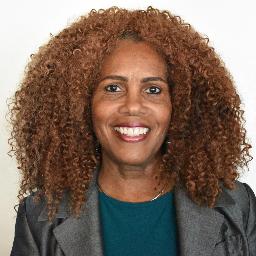
California · 22 yrs exp
Stress, Anxiety · Anger · Self esteem · Depression · +9 more
Read profile
California · 30 yrs exp
Stress, Anxiety · Addictions · Relationship · Trauma and abuse · +11 more
Read profile
California · 30 yrs exp
Stress, Anxiety · Relationship · Intimacy-related issues · Parenting · +6 more
Read profile
California · 30 yrs exp
Stress, Anxiety · Relationship · Family · Trauma and abuse · +12 more
Read profile
California · 11 yrs exp
Stress, Anxiety · Relationship · Trauma and abuse · Self esteem · +9 more
Read profile
California · 10 yrs exp
Stress, Anxiety · Relationship · Trauma and abuse · Grief · +11 more
Read profile
California · 12 yrs exp
Stress, Anxiety · Trauma and abuse · Grief · Self esteem · +12 more
Read profile
California · 8 yrs exp
Stress, Anxiety · Anger · Depression · ADHD · +5 more
Read profile
California · 20 yrs exp
Addictions · Family · Trauma and abuse · Grief · +8 more
Read profile
California · 23 yrs exp
Relationship · Family · Trauma and abuse · Parenting · +1 more
Read profile
California · 30 yrs exp
Stress, Anxiety · Self esteem · Depression · Coping with life changes · +1 more
Read profile
California · 27 yrs exp
Stress, Anxiety · Relationship · Trauma and abuse · Self esteem · +10 more
Read profile
California · 27 yrs exp
Stress, Anxiety · LGBT · Relationship · Family · +11 more
Read profile
California · 8 yrs exp
Stress, Anxiety · Relationship · Grief · Depression · +10 more
Read profile
California · 6 yrs exp
Trauma and abuse · Intimacy-related issues · Bipolar · Depression · +9 more
Read profile
California · 32 yrs exp
Stress, Anxiety · Relationship · Trauma and abuse · Depression · +1 more
Read profile
California · 40 yrs exp
Stress, Anxiety · Trauma and abuse · Parenting · Coping with life changes
Read profile
California · 14 yrs exp
Stress, Anxiety · Relationship · Trauma and abuse · Parenting · +1 more
Read profileOnline therapy has become a widely available option across California, from dense urban centers to more remote rural communities. Providers in the state offer sessions by video and phone, and many maintain flexible hours to accommodate different schedules and time zones. Licensing rules require clinicians who counsel clients in California to hold appropriate California credentials, which helps maintain professional standards even when services are delivered remotely. As a result, you can access a broad range of therapy approaches, specializations, and appointment formats without needing to travel across long distances.
The regulatory landscape in California has evolved to reflect the growing demand for remote mental health services. Telehealth guidelines address how clinicians establish therapist-client relationships, handle documentation, and follow ethical standards for practice. For you, that means online sessions can often mirror the therapeutic experience of in-person care, while removing barriers like commute time and geographic limitations. Many therapists also combine online work with occasional in-person meetings, creating hybrid arrangements that fit different needs.
Whether you live in a major metro area like Los Angeles or San Francisco or in a smaller town in the Central Valley or the North Coast, online therapy expands your options. You can connect with therapists who specialize in specific issues or populations that might not be available locally, enabling you to find a better clinical fit. Technology and internet access continue to improve in many parts of the state, making it easier to maintain a regular schedule of virtual appointments.
Online therapy delivers practical advantages that often matter most when you are seeking help. The convenience of attending sessions from home or from a quiet place near work saves time and reduces the need to rearrange daily commitments. This convenience can make it easier for you to maintain regular attendance, which is an important part of progress in therapy. For caregivers, parents, and people with mobility limitations, the ability to join sessions remotely can remove significant obstacles to receiving care.
Another benefit is expanded choice. California is large and demographically diverse, and online care lets you access clinicians with particular cultural, linguistic, or clinical specializations. If you prefer a therapist who speaks a specific language, has experience with your cultural background, or works with a particular modality such as cognitive behavioral therapy, trauma-informed care, or couples therapy, online platforms increase the likelihood of finding that match. In many cases, clinicians also offer more flexible scheduling, including evening or weekend appointments, which can be especially helpful for people balancing work or family responsibilities.
Online sessions can support continuity when life circumstances change. If you move within the state, change jobs, or travel for short periods, maintaining the same clinician can be possible when both parties agree to continue remotely. Many people also report feeling more at ease discussing sensitive topics from their own living space or another familiar environment. That sense of ease can help you open up sooner and work with your therapist more effectively.
Online therapists address a wide range of concerns, and many clinicians tailor their services to specific populations and life stages. Common areas of work include managing anxiety and depression, coping with stress related to work or family life, navigating relationship difficulties, handling grief and loss, and addressing life transitions such as career changes or relocation. Therapists also frequently support people dealing with trauma, chronic illness adjustment, and challenges related to identity, including sexual orientation and gender-related matters.
Some therapists focus on specialized areas such as perinatal mental health, adolescent and teen issues, parenting support, or substance use concerns, while others concentrate on performance coaching or workplace stress. Online modalities can be especially useful for short-term, skills-focused work as well as long-term psychotherapeutic relationships. Because sessions can be conducted from different locations, you may find therapists who use a range of therapeutic approaches, including evidence-informed strategies and integrative modalities that match your preferences.
Couples and family therapy are increasingly offered online, allowing partners and family members in different locations to meet together with a clinician. Therapists who work with relationships adapt techniques to the virtual setting, focusing on communication patterns, conflict resolution, and building connection. If your needs involve multiple family members, discuss the therapist's approach to working with groups and whether they recommend in-person sessions at particular points.
Verifying a therapist's license is an important step in choosing who will provide your care. California maintains public licensing boards for different types of mental health professionals, and their online databases let you search by name or license number. These official records typically show the license type, issuance and expiration dates, any active disciplinary actions, and the state board that issued the credential. Checking the board's site helps ensure that the clinician is authorized to practice in California and that there are no outstanding sanctions.
When you review a therapist profile, look for the license type that aligns with the services you expect - for example, licensed clinical social worker, licensed marriage and family therapist, or licensed psychologist. If a therapist lists a license from another state, confirm whether they hold California authorization to see clients located in California at the time of your care. If anything is unclear, you can contact the licensing board directly to ask for verification or request a clarification from the clinician during an initial conversation.
It is appropriate to ask a therapist about their licensure during your first contact. Ask which board issued their license, how long they have practiced, and whether they have experience treating the issues you want to address. You can also inquire about the format of sessions, emergency procedures, and how they handle documentation and billing. A transparent conversation about training and scope of practice helps you feel confident in the professional relationship.
Getting started is often easier than people expect. Begin by narrowing your search to therapists licensed in California who list the specialties and approaches that match your goals. Read profiles to learn about clinicians' training, areas of focus, and typical session format. Many therapists offer a brief phone or video consultation at low or no charge so you can determine whether the connection feels right before committing to regular sessions.
As you evaluate options, consider practical factors such as availability, session length, fee structure, and whether the clinician accepts your method of payment or insurance. Think about personal preferences too - whether you want a clinician who takes a directive approach or someone more exploratory, and whether you would benefit from a therapist who shares your cultural background or language. Trust your sense of fit; effective therapy depends on a working relationship that allows honest conversation and mutual respect.
Prepare for your first session by noting the issues you want to address and any goals you hope to work toward. Have a short summary of relevant history ready to share, including prior therapy experiences and current stressors. During the session, observe how the therapist listens, how they explain their approach, and how they suggest tracking progress. It is fine to try a few sessions and then decide whether to continue, switch clinicians, or adjust the focus of your work. Remember that finding the right therapist is a personal process and that taking the time to choose wisely can make the difference in how helpful the experience becomes.
Ultimately, online therapy in California offers flexibility and access to clinicians with a wide range of expertise. By checking licensure, clarifying practical details, and focusing on fit and approach, you can find an online therapist who supports your goals and makes it possible to integrate care into your life.
Anger
4533 therapists
Depression
5876 therapists
Grief
5092 therapists
Guilt and Shame
4896 therapists
Mood Disorders
3866 therapists
Panic Disorder and Panic Attacks
3731 therapists
Post-Traumatic Stress
5037 therapists
Self Esteem
5761 therapists
Stress & Anxiety
6252 therapists
Trauma and Abuse
5987 therapists