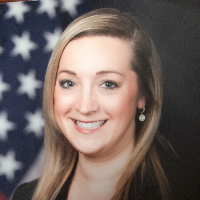
Brittany Bordonaro
LICSWDistrict of Columbia · 15 yrs exp
Relationship · Family · Trauma and abuse · Self esteem · +12 more
Read profileThe therapist listings are provided by BetterHelp and we will earn a commission if you use our link - at no cost to you.
Welcome to our directory of online therapists serving the District of Columbia. All therapists listed here are licensed - explore profiles to compare specialties, approaches, and availability.
District of Columbia · 15 yrs exp
Relationship · Family · Trauma and abuse · Self esteem · +12 more
Read profile
District of Columbia · 20 yrs exp
Relationship · Family · Trauma and abuse · Depression · +14 more
Read profile
District of Columbia · 30 yrs exp
Family · Parenting · Career · Coping with life changes · +13 more
Read profile
District of Columbia · 14 yrs exp
Stress, Anxiety · Relationship · Trauma and abuse · Anger · +10 more
Read profile
District of Columbia · 20 yrs exp
Addictions · LGBT · Trauma and abuse · Depression · +12 more
Read profile
District of Columbia · 25 yrs exp
Stress, Anxiety · Relationship · Trauma and abuse · Grief · +9 more
Read profile
District of Columbia · 24 yrs exp
Stress, Anxiety · Relationship · Family · Trauma and abuse · +15 more
Read profile
District of Columbia · 25 yrs exp
Coping with life changes · Coaching · ADHD
Read profile
District of Columbia · 30 yrs exp
Stress, Anxiety · Addictions · Trauma and abuse · Parenting · +15 more
Read profile
District of Columbia · 6 yrs exp
Stress, Anxiety · Depression · Coping with life changes · LGBT · +13 more
Read profile
District of Columbia · 6 yrs exp
Stress, Anxiety · Relationship · Self esteem · Depression · +1 more
Read profileIn recent years the availability of online therapy in the District of Columbia has expanded significantly, making it easier for you to access professional mental health care from home, work, or another convenient location. Providers in DC include clinicians with training in clinical psychology, counseling, marriage and family therapy, and social work who offer services via video, phone, or messaging. Many therapists maintain full practices that include telehealth appointments as a primary or supplemental way of meeting with clients. Because licensure rules vary by jurisdiction, therapists who are based in DC generally hold a license issued by a District licensing board and can legally provide online care to residents of DC. This local licensure means that the therapist is accountable to the state-level standards that govern practice in the District.
Availability also reflects scheduling flexibility. You can often find weekday evening or weekend appointments, which can be especially helpful if you balance work, family, or study commitments. Some therapists offer short-term coaching-style engagements while others specialize in longer-term psychotherapy. If you prefer a clinician who focuses on a particular modality or population - for example adolescents, older adults, or couples - online options make it easier to match your needs with a therapist whose experience aligns with your goals. The key is to look at provider bios and intake information to find who offers the format and hours you need.
Online therapy can reduce common barriers that prevent people from getting help. You may save time that would otherwise be spent commuting through traffic, searching for parking, or adjusting your schedule to fit an in-person appointment. The convenience of logging in from home or another comfortable setting makes it more likely that you will keep regular sessions and follow through on treatment plans. For people who have mobility challenges, caregiving responsibilities, or a busy work schedule, online options increase access without sacrificing continuity of care.
Beyond convenience, online therapy can expand your choices. If you live in a neighborhood with fewer local clinics or if you are looking for a therapist who specializes in a particular issue, telehealth widens the pool of clinicians you can consider. The format can also feel less formal for some people, helping you open up more quickly. Many therapists adapt typical in-person techniques for a virtual environment and use screen-shared worksheets, online homework, and digital resources to support progress between sessions. Additionally, online therapy can be an effective complement to in-person treatment when blended care is appropriate.
Online therapists in DC work with a wide range of concerns. Many focus on mood-related issues such as anxiety and depression, using evidence-informed approaches to help you manage symptoms, develop coping strategies, and set realistic goals. Therapists also commonly support people navigating life transitions - including career changes, relocation, relationship shifts, and parenting challenges - where talk therapy can help clarify values and decision-making processes. If you are dealing with stress from work or interpersonal conflicts, clinicians often combine cognitive and behavioral tools with problem-solving and communication skills training to help you build resilience.
Other areas of focus include trauma-related care, grief and loss, substance use concerns, relationship and family dynamics, and identity-related challenges. Some therapists specialize in treating specific populations, such as teens, college students, veterans, or members of the LGBTQ+ community. If you are seeking couples counseling, many practitioners offer session formats adapted for partners to join from separate locations. When considering a provider, look for descriptions of their clinical approach and typical caseload to understand whether they routinely work with the issue you want to address.
Verifying a therapist's license is an important step before beginning online treatment. You can start by asking the therapist for their full name and license number, and note the professional designation they use - for example, licensed clinical social worker, licensed professional counselor, psychologist, or marriage and family therapist. With that information you can consult the District of Columbia licensing board's online lookup tool to confirm that the license is active and in good standing. These public records typically indicate the license type, issuance and expiration dates, and whether any disciplinary actions or restrictions exist.
If you prefer not to search on your own, ask the therapist to provide a link to their official licensure record or a copy of their license. You should also check whether they are authorized to offer telehealth services in DC, as regulatory requirements can include specific telepractice guidelines. Verifying professional education, certification, and stated specialties is also sensible - many clinicians list graduate training, professional certifications, and relevant continuing education on their profiles. Taking a few minutes to confirm these details helps you make an informed choice and ensures the clinician meets the regulatory expectations for practice in the District.
To get started, identify clinicians whose profiles indicate relevant expertise and availability. Many therapists provide an intake form or brief phone consult to determine fit and answer logistical questions. During an initial consultation you can confirm the therapist's experience with your presenting concern, ask about session length and frequency, and discuss fees and payment options. If you use health insurance, check whether the therapist accepts your plan or can provide a superbill for out-of-network reimbursement. Clarifying cancellation policies and communication expectations before you commit will prevent misunderstandings later.
When evaluating therapists, consider how comfortable you feel with their communication style as it comes across in a profile or introductory call. You might ask how they structure sessions, what outcomes they aim for, and how they measure progress. Inquire about their experience with remote therapy and the tools they use for secure video sessions and record-keeping. Ask about approaches to crises - what you should do if you need urgent help between sessions - and whether they have local emergency resources because your therapist must be able to direct you to services in your area if needed.
Trust your instincts. If a therapist does not feel like a good fit after a few sessions, it is reasonable to discuss this with them or to look for another clinician. Look for transparency around fees and policies, and consider whether the therapist's specialties align with the problem you want to address. Practical matters such as appointment times, language preferences, and cultural competence are also important. If you value a therapist with experience working with particular communities or identities, check whether they reflect that experience in their profile and ask about relevant training.
Plan for the technical side of online therapy by ensuring your device, internet connection, and environment support a focused session. Choose a quiet space where you feel comfortable speaking and where interruptions are minimized. If you share living space with others, headphones and clear boundaries about appointment times can help maintain privacy during sessions. Before your first appointment, test the video platform recommended by your therapist and confirm any instructions for logging in. Awareness of these practical details helps sessions run smoothly and lets you make the most of therapeutic time.
Finding the right online therapist in the District of Columbia involves balancing professional qualifications, personal rapport, and practical logistics. By confirming licensure, clarifying expectations, and considering how different clinicians approach treatment, you can select a provider who fits your goals and schedule. Take advantage of introductory calls or brief consultations to compare options - investing a little time up front increases the likelihood that your online therapy experience will be productive and supportive.
Anger
4533 therapists
Depression
5876 therapists
Grief
5092 therapists
Guilt and Shame
4896 therapists
Mood Disorders
3866 therapists
Panic Disorder and Panic Attacks
3731 therapists
Post-Traumatic Stress
5037 therapists
Self Esteem
5761 therapists
Stress & Anxiety
6252 therapists
Trauma and Abuse
5987 therapists