
Dr. Daniella Jackson
LMHC· Accepting clientsFlorida · 20 yrs exp
Stress, Anxiety · Addictions · Relationship · Self esteem · +16 more
Read profileThe therapist listings are provided by BetterHelp and we will earn a commission if you use our link - at no cost to you.
Welcome to TherapistDirectory's guide to online therapists serving Florida. All therapists listed here are licensed to practice in Florida - explore profiles to compare specialties, approaches, and availability, then request a first appointment.
Florida · 20 yrs exp
Stress, Anxiety · Addictions · Relationship · Self esteem · +16 more
Read profile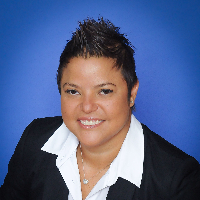
Florida · 21 yrs exp
Stress, Anxiety · Addictions · LGBT · Depression · +9 more
Read profile
Florida · 23 yrs exp
Stress, Anxiety · Addictions · Self esteem · Depression · +10 more
Read profile
Florida · 19 yrs exp
Stress, Anxiety · Trauma and abuse · Self esteem · Depression · +14 more
Read profile
Florida · 26 yrs exp
Stress, Anxiety · Relationship · Anger · Depression · +13 more
Read profile
Florida · 26 yrs exp
Stress, Anxiety · Addictions · Grief · Self esteem · +12 more
Read profile
Florida · 15 yrs exp
Stress, Anxiety · Relationship · Trauma and abuse · Sleeping · +11 more
Read profile
Florida · 32 yrs exp
Stress, Anxiety · Addictions · Relationship · Family · +13 more
Read profile
Florida · 12 yrs exp
Stress, Anxiety · Relationship · Self esteem · Depression · +14 more
Read profile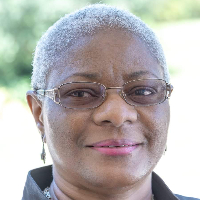
Florida · 19 yrs exp
Stress, Anxiety · Family · Grief · Depression · +12 more
Read profile
Florida · 13 yrs exp
Stress, Anxiety · Addictions · Self esteem · Depression · +11 more
Read profile
Florida · 25 yrs exp
Relationship · Trauma and abuse · Intimacy-related issues · Anger · +16 more
Read profile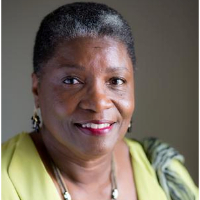
Florida · 12 yrs exp
Stress, Anxiety · Addictions · Parenting · Depression · +8 more
Read profile
Florida · 15 yrs exp
Stress, Anxiety · Relationship · Family · Intimacy-related issues · +15 more
Read profile
Florida · 25 yrs exp
Addictions · Bipolar · Depression · Coping with life changes · +7 more
Read profile
Florida · 18 yrs exp
Stress, Anxiety · Parenting · Anger · Self esteem · +13 more
Read profile
Florida · 20 yrs exp
Stress, Anxiety · Trauma and abuse · Grief · Career · +15 more
Read profile
Florida · 40 yrs exp
Stress, Anxiety · Addictions · Trauma and abuse · Self esteem · +1 more
Read profile
Florida · 35 yrs exp
Stress, Anxiety · Family · Grief · Eating · +16 more
Read profile
Florida · 19 yrs exp
Stress, Anxiety · Trauma and abuse · Grief · Depression · +9 more
Read profile
Florida · 30 yrs exp
Stress, Anxiety · Addictions · Trauma and abuse · Self esteem · +10 more
Read profile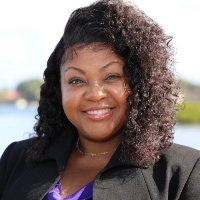
Florida · 9 yrs exp
Stress, Anxiety · Family · Parenting · Anger · +11 more
Read profile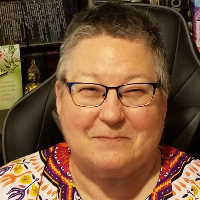
Florida · 37 yrs exp
Addictions · LGBT · Trauma and abuse · Grief · +12 more
Read profile
Florida · 28 yrs exp
Stress, Anxiety · Addictions · Trauma and abuse · Grief · +9 more
Read profileIf you live in Florida and are considering online therapy you will find options that fit a variety of schedules and needs. Over the past decade teletherapy has become a mainstream way to connect with licensed mental health professionals from wherever you are in the state - whether you are in a large metro area, a coastal town, or a rural county. Many therapists offer video sessions, phone appointments, and secure messaging as part of ongoing care. Because laws and professional guidelines require that therapists holding Florida licenses provide services to residents of Florida, you can generally expect local regulatory oversight and clarity about the provider's credentials.
As you begin your search you will notice differences in training, therapeutic approaches, and the populations therapists serve. Some clinicians focus on short-term coping strategies and skills, while others emphasize longer-term personal growth. Teletherapy can be delivered from a clinical office or from a comfortable environment chosen by the therapist, and scheduling options often include evening and weekend appointments to accommodate work and family responsibilities. Understanding these basic service models will help you narrow your choices as you explore practitioner profiles.
Online therapy offers practical benefits that make it easier to fit mental health care into a busy life. You can remove travel time from your routine which may mean fewer missed appointments and a better chance to maintain continuity of care. If you live in an area with fewer local clinicians or need a provider with particular expertise - for example experience with trauma, adolescent issues, or culturally informed care - teletherapy expands your access to those specialties. You may also find greater flexibility in appointment times and the convenience of joining sessions from home or another place where you feel comfortable.
Another important advantage is the potential for more consistent care during life changes. You can continue working with the same therapist if you relocate within Florida, or maintain momentum when your schedule or circumstances shift. For some people the remote format reduces anxiety about in-person visits and helps them focus more directly on goals for therapy. You can discuss practical matters such as technology, communication preferences, and session length with a clinician before committing to a series of appointments so that the arrangement fits your daily life.
Online therapists in Florida work with a wide range of concerns across age groups and life stages. You can find clinicians who specialize in anxiety and depression, grief and loss, relationship challenges, parenting and family dynamics, workplace stress, and life transitions such as retirement, relocation, or caregiving. Many therapists also have training in trauma-informed approaches and can support recovery after stressful or distressing events. For young adults and teens, teletherapy can be a practical option when schedules or transportation pose barriers to in-person care.
Beyond these common concerns therapists may offer support for issues that intersect with identity, including LGBTQ+ related concerns, cultural and racial identity questions, and the stressors faced by military families and veterans. If you are managing a chronic medical condition you can look for clinicians who work collaboratively with medical providers to address the emotional impact of illness. When exploring profiles pay attention to stated specialties and clinical approaches so you can find a clinician whose experience aligns with the kind of support you are seeking.
Verifying that a therapist holds an active Florida license is an important step before you begin sessions. Start by checking the license details listed on the clinician's profile or website - a license number, issuing board, and expiration date are common items to display. Then use Florida's official license search tools to confirm the information. These public search portals allow you to look up a practitioner's license status, date of issuance, expiration date, and whether any disciplinary actions or restrictions are recorded. Knowing the issuing board - for example the board that governs psychologists or the board for clinical social workers and mental health counselors - will help you interpret the details you find.
When you review a license record pay attention to the license type and status. An active license that is issued by Florida indicates that the clinician is authorized to offer services to Florida residents. If you see any notes about restrictions or disciplinary history you can read the public record or reach out to the board for clarification. If you have questions or want to confirm a therapist's educational background, professional certifications, or supervised experience you can ask the clinician directly during an initial call. Legitimate professionals will be willing to discuss their credentials and explain what their license covers.
Beginning online therapy is a process you can approach in small steps. First identify therapists whose profiles mention the issues you want to address, the therapeutic approaches you prefer, and availability that fits your schedule. Reach out by phone or email to ask about intake procedures, fees, and whether they accept your insurance or offer sliding scale options. Many therapists provide a short initial consultation - often 10 to 20 minutes - so you can ask basic questions, confirm logistics, and get a sense of fit before scheduling a full session.
Before your first appointment make sure you have the necessary technology and a comfortable place to participate. Ask the therapist what video platform they use and what steps to follow if technical problems arise. Discuss practical policies such as cancellation fees, session length, and emergency procedures - including how to reach local crisis resources if you need immediate help. Establishing clear expectations up front will help you feel more confident about the therapy process and make the first session more productive.
When choosing a therapist look for someone whose training and clinical interests align with your goals. If you are seeking short-term coping skills you might prioritize clinicians who mention cognitive-behavioral or solution-focused methods. If you want to explore deeper life patterns you may prefer therapists who emphasize psychodynamic or relational approaches. You can ask about experience with particular populations - for example teens, parents, or people from your cultural background - to ensure a good therapeutic match.
Practical matters matter. Think about whether you prefer video or phone sessions, whether evening or weekend appointments are important, and whether the therapist's fees fit your budget. Pay attention to how the therapist communicates in initial emails or calls - responsiveness and clarity are indicators of how they may work with you. Trust your impression from a first conversation; if you feel listened to and respected that is a strong signal the clinician may be a good fit. If not, it is okay to continue searching until you find someone who feels right for you.
Finally, give the process a fair trial. It can take a few sessions to get comfortable and start seeing benefits, so set realistic expectations for early appointments and discuss timelines with your therapist. If after a reasonable period you do not feel progress you can talk openly about it and explore adjustments - such as changing goals, trying a different approach, or considering another clinician. Finding the right therapeutic relationship is part of the care - when you find a good match, online therapy can be a flexible, effective way to work on the issues that matter most to you in Florida.
Anger
4533 therapists
Depression
5876 therapists
Grief
5092 therapists
Guilt and Shame
4896 therapists
Mood Disorders
3866 therapists
Panic Disorder and Panic Attacks
3731 therapists
Post-Traumatic Stress
5037 therapists
Self Esteem
5761 therapists
Stress & Anxiety
6252 therapists
Trauma and Abuse
5987 therapists