
Thomas Floyd
MD, LCSW-C, LICSW· Accepting clientsMaryland · 46 yrs exp
Stress, Anxiety · Grief · Depression · Coping with life changes · +15 more
Read profileThe therapist listings are provided by BetterHelp and we will earn a commission if you use our link - at no cost to you.
Welcome to your guide for finding online therapists in Maryland. All therapists listed here are licensed to practice in Maryland, so you can focus on finding the right fit. Explore the listings to compare specialties, therapeutic approaches, and appointment formats, and start connecting today.
Maryland · 46 yrs exp
Stress, Anxiety · Grief · Depression · Coping with life changes · +15 more
Read profile
Maryland · 27 yrs exp
Stress, Anxiety · Relationship · Trauma and abuse · Depression · +11 more
Read profile
Maryland · 30 yrs exp
Stress, Anxiety · Trauma and abuse · Anger · Bipolar · +9 more
Read profile
Maryland · 5 yrs exp
Trauma and abuse · Self esteem · Depression · Compassion fatigue · +11 more
Read profile
Maryland · 9 yrs exp
Stress, Anxiety · Family · Self esteem · Depression · +8 more
Read profile
Maryland · 4 yrs exp
Family · Trauma and abuse · Anger · Self esteem · +11 more
Read profile
Maryland · 5 yrs exp
Stress, Anxiety · Trauma and abuse · Self esteem · Depression · +9 more
Read profile
Maryland · 11 yrs exp
Stress, Anxiety · Trauma and abuse · Anger · Depression · +12 more
Read profile
Maryland · 15 yrs exp
Stress, Anxiety · Relationship · Family · Parenting · +10 more
Read profile
Maryland · 25 yrs exp
Addictions · Relationship · Family · Self esteem · +11 more
Read profile
Maryland · 13 yrs exp
Stress, Anxiety · Addictions · Trauma and abuse · Self esteem · +1 more
Read profile
Maryland · 15 yrs exp
Stress, Anxiety · Trauma and abuse · Grief · Anger · +9 more
Read profile
Maryland · 11 yrs exp
Stress, Anxiety · Trauma and abuse · Bipolar · Depression · +2 more
Read profile
Maryland · 19 yrs exp
Stress, Anxiety · Relationship · Trauma and abuse · Self esteem · +1 more
Read profile
Maryland · 10 yrs exp
Stress, Anxiety · Self esteem · Depression · Coping with life changes · +8 more
Read profile
Maryland · 13 yrs exp
Stress, Anxiety · Relationship · Trauma and abuse · Grief · +1 more
Read profile
Maryland · 15 yrs exp
Stress, Anxiety · Relationship · Self esteem · Coaching · +16 more
Read profile
Maryland · 20 yrs exp
Stress, Anxiety · Trauma and abuse · Anger · Depression · +11 more
Read profile
Maryland · 40 yrs exp
Stress, Anxiety · Relationship · Family · Trauma and abuse · +8 more
Read profile
Maryland · 10 yrs exp
Stress, Anxiety · Relationship · Parenting · Self esteem · +8 more
Read profile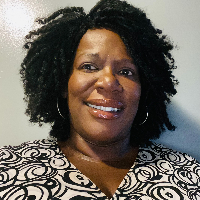
Maryland · 20 yrs exp
Addictions · Relationship · Trauma and abuse · Grief · +15 more
Read profile
Maryland · 4 yrs exp
Stress, Anxiety · Trauma and abuse · Addictions · LGBT · +12 more
Read profile
Maryland · 21 yrs exp
Stress, Anxiety · Addictions · Trauma and abuse · Grief · +10 more
Read profile
Maryland · 11 yrs exp
Stress, Anxiety · Relationship · Self esteem · Depression · +6 more
Read profileOnline therapy has become a common option for people across Maryland who want professional support without traveling to an office. In recent years the state has expanded regulatory frameworks and reimbursement practices that make it easier for licensed clinicians to offer video and phone sessions across many counties. Whether you live in Baltimore, Annapolis, Hagerstown, or a more rural area, you can often find a clinician who is licensed in Maryland and who works with the population or issue you want to address.
State licensing still matters, so most clinicians you encounter will indicate that they hold a Maryland license. That licensing ensures that they have met the educational and training requirements set by Maryland boards. At the same time you will find variety in delivery - some therapists schedule live video sessions, some use phone sessions, and some combine online work with occasional in-person meetings. If your life or schedule makes traveling to appointments difficult, online therapy can expand your options and reduce gaps in care.
Online therapy offers practical advantages that can make it easier for you to get help and stay consistent with care. First, it reduces commute time and can allow you to fit sessions into a busy workday, evening, or school schedule without losing time on travel. That convenience often results in more consistent attendance, which is an important ingredient in making progress. Second, online formats make therapy accessible if you live in areas with fewer clinicians, or if mobility, childcare, or transportation are barriers.
Another benefit is flexibility in choosing a therapist whose approach and experience align with your needs. When you search online you can review a clinician's specialties, training, and therapy modalities before you contact them. That helps you make an informed choice rather than accepting whoever is available locally. Many people also find that the comfort of attending sessions from a familiar environment helps them open up more quickly. While online therapy may not be the best fit in every circumstance, for many people in Maryland it is an effective and practical way to access mental health support.
Online therapists in Maryland work with a wide range of concerns, spanning everyday stress and life transitions to ongoing mental health conditions. You can find clinicians who concentrate on mood challenges such as depression and generalized anxiety, as well as those who specialize in relationship and family issues. Therapists often support people coping with workplace stress, identity and life-stage questions, grief and loss, parenting concerns, and major adjustments such as relocation or career change.
Specialty services are also available online. Some therapists focus on trauma-informed care, offering approaches that emphasize safety and gradual processing. Others provide treatment for obsessive thoughts, panic, or social anxiety using structured, evidence-informed modalities. You can also locate therapists who work with adolescents, couples, or older adults, and those who integrate cultural, religious, or identity-aware frameworks into therapy. When you review clinician profiles, pay attention to the conditions they list, the therapeutic approaches they use, and any extra training that matches your needs.
Confirming that a therapist is licensed in Maryland is a key step in choosing a clinician. You can begin by looking for license credentials on the therapist's profile, but it is wise to verify those credentials through official channels. Maryland’s professional licensing board provides an online lookup where you can check the status of a license, see any disciplinary actions, and confirm the license type. Searching by the practitioner’s full name or license number will typically return detailed information about their professional standing.
If you cannot find the clinician through an official lookup, contact the licensing board directly for assistance. You can also ask the therapist to share their license number and the name of the board that issued it. A legitimate clinician will be willing to provide that information and explain their training and supervised experience. Verifying licensure protects you by confirming that the therapist has met state requirements and remains authorized to practice in Maryland.
Starting with online therapy begins with a few practical steps. First, clarify what you want from therapy - whether it is short-term help with a specific issue, support through a major life change, or ongoing mental health care. Think about preferences that matter to you, such as session times, whether you want video or phone appointments, fees, and whether you prefer a clinician with particular cultural or language competencies. Having a clear sense of priorities will help you narrow options.
When you contact a therapist, you can expect an intake process that gathers basic information about your history, current concerns, and logistical needs. Many clinicians offer a brief phone or video consultation so you can ask questions and get a sense of their style. Use that conversation to ask about their training, typical session structure, approach to measuring progress, and cancellation or rescheduling policies. It is also reasonable to ask how they handle emergencies or urgent needs between sessions so you know what to expect.
Choosing the right therapist often depends on how well you connect with them and how comfortable you feel discussing personal matters. Trust your instincts after an initial consultation - if the clinician listened without judgment and explained their approach clearly, that is a positive sign. Consider the clinician’s experience with the issue you want to address and whether their therapeutic orientation aligns with your preferences. For example, some people prefer structured, skills-based approaches while others look for a more exploratory, insight-oriented process.
It is normal to try more than one therapist before finding the best match. If you start with a therapist and it does not feel right, you can discuss that feeling with them or look for someone whose approach better suits you. Practical matters like scheduling compatibility, convenience of session format, and cost are also important. Many Maryland therapists accept insurance or offer a sliding fee scale, while others work on a self-pay basis. Before committing, clarify fees and whether they bill insurance directly or provide receipts you can submit for reimbursement.
Once you begin sessions, set realistic expectations for progress and communicate openly about what is and is not working. Online therapy requires deliberate effort to build rapport through a screen, so regular attendance and honest feedback about the process will help you and your therapist tailor care effectively. If your needs change over time, your therapist can help you adjust the frequency or approach, or refer you to additional resources in Maryland when appropriate. With thoughtful selection and clear communication, online therapy can be a flexible and effective way to get support when you need it.
Anger
4533 therapists
Depression
5876 therapists
Grief
5092 therapists
Guilt and Shame
4896 therapists
Mood Disorders
3866 therapists
Panic Disorder and Panic Attacks
3731 therapists
Post-Traumatic Stress
5037 therapists
Self Esteem
5761 therapists
Stress & Anxiety
6252 therapists
Trauma and Abuse
5987 therapists