
Melissa Moore
LCMHC· Accepting clientsNorth Carolina · 10 yrs exp
Stress, Anxiety · Relationship · Family · Trauma and abuse · +12 more
Read profileThe therapist listings are provided by BetterHelp and we will earn a commission if you use our link - at no cost to you.
Welcome to our listing of online therapists serving North Carolina. All therapists shown here are licensed to practice in the state and offer remote appointments. Explore profiles to compare approaches, availability, and specialties so you can find a clinician who meets your needs.
North Carolina · 10 yrs exp
Stress, Anxiety · Relationship · Family · Trauma and abuse · +12 more
Read profile
North Carolina · 15 yrs exp
Stress, Anxiety · Relationship · Anger · Depression · +12 more
Read profile
North Carolina · 30 yrs exp
Stress, Anxiety · Family · Trauma and abuse · Parenting · +7 more
Read profile
North Carolina · 30 yrs exp
Stress, Anxiety · Family · Trauma and abuse · Parenting · +10 more
Read profile
North Carolina · 10 yrs exp
Stress, Anxiety · Family · Parenting · Anger · +8 more
Read profile
North Carolina · 8 yrs exp
Stress, Anxiety · Trauma and abuse · Parenting · Anger · +8 more
Read profile
North Carolina · 13 yrs exp
Stress, Anxiety · Addictions · Intimacy-related issues · Depression · +10 more
Read profile
North Carolina · 50 yrs exp
Stress, Anxiety · Relationship · Family · Parenting · +8 more
Read profile
North Carolina · 35 yrs exp
Stress, Anxiety · Addictions · Relationship · Trauma and abuse · +8 more
Read profile
North Carolina · 20 yrs exp
Stress, Anxiety · Addictions · Anger · Depression · +7 more
Read profile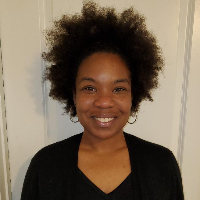
North Carolina · 15 yrs exp
LGBT · Relationship · Family · Parenting · +7 more
Read profile
North Carolina · 5 yrs exp
Stress, Anxiety · Family · Trauma and abuse · Depression · +15 more
Read profile
North Carolina · 15 yrs exp
Relationship · Trauma and abuse · Grief · Parenting · +9 more
Read profile
North Carolina · 25 yrs exp
Stress, Anxiety · Relationship · Trauma and abuse · Depression · +10 more
Read profile
North Carolina · 25 yrs exp
Stress, Anxiety · Trauma and abuse · Grief · Self esteem · +9 more
Read profile
North Carolina · 23 yrs exp
Stress, Anxiety · Trauma and abuse · Grief · Self esteem · +13 more
Read profile
North Carolina · 6 yrs exp
Stress, Anxiety · Family · Trauma and abuse · Self esteem · +15 more
Read profile
North Carolina · 40 yrs exp
Stress, Anxiety · Relationship · Family · Trauma and abuse · +10 more
Read profile
North Carolina · 26 yrs exp
Stress, Anxiety · Grief · Self esteem · Coping with life changes · +3 more
Read profile
North Carolina · 27 yrs exp
Stress, Anxiety · Family · Trauma and abuse · Grief · +8 more
Read profile
North Carolina · 10 yrs exp
Stress, Anxiety · Trauma and abuse · Grief · Parenting · +12 more
Read profile
North Carolina · 34 yrs exp
Stress, Anxiety · Relationship · Family · Trauma and abuse · +14 more
Read profile
North Carolina · 20 yrs exp
Stress, Anxiety · Addictions · Trauma and abuse · Grief · +11 more
Read profile
North Carolina · 12 yrs exp
Stress, Anxiety · Relationship · Self esteem · Depression · +13 more
Read profileOnline therapy in North Carolina has become a widely used option for people looking for mental health and counseling support. In recent years, many clinicians licensed in the state adopted remote appointments to reach clients who cannot attend in-person sessions due to travel, work schedules, or location. You will find clinicians offering video visits, phone sessions, and messaging-based check-ins, which provide a variety of ways to stay connected with care. Regulations in North Carolina allow licensed mental health providers to offer telehealth services within the state, so long as they hold the appropriate credential and follow state practice rules. Insurance coverage and payment models vary, and some clinicians accept private pay only while others bill through major insurers or offer sliding scale fees. When you search for online therapy options, consider how each provider structures appointments, the technology they use for sessions, and whether they focus on short-term skills or long-term psychotherapy.
Virtual sessions often mirror the pacing and structure of in-person therapy. Your first appointment will typically include an intake conversation about your history, current concerns, and goals for treatment. Over subsequent sessions, you and your therapist will work on strategies, reflections, and behavioral changes tailored to your needs. Many clinicians incorporate evidence-based techniques such as cognitive-behavioral methods, mindfulness practices, or family systems work in a virtual format. If you have concerns about how well online therapy will work for you, ask potential therapists about their experience with remote care and any adaptations they use to enhance engagement and progress.
Online therapy offers several practical benefits that make it an appealing option for many people across North Carolina. If you live in a rural county or an area with fewer mental health providers, remote care can reduce travel time and broaden the pool of clinicians you can access. You may find therapists whose specialties match your needs even if they are not located in your city. Flexible scheduling is another advantage - evening or weekend appointments can make it easier to balance therapy with work, school, or family responsibilities. For people who move seasonally or travel for work within the state, continuing with the same therapist via online sessions preserves continuity of care when an in-person relationship would be interrupted.
Many people prefer attending sessions from a familiar setting, such as a home office or another environment where they feel comfortable. That sense of ease can help you open up more quickly and facilitate productive discussions. Online therapy also removes common barriers like commutes, parking, and weather-related obstacles, which can improve appointment adherence. If cost is an issue, remote options sometimes reduce overhead for clinicians and may be available at different price points. When you consider online therapy, weigh the convenience benefits alongside your personal needs for rapport, therapeutic style, and treatment goals.
Online therapists in North Carolina address a broad range of emotional and behavioral concerns. You can find clinicians who specialize in treating anxiety, depression, stress management, and symptoms of trauma through therapy modalities suited to virtual care. Therapists also work with relationship challenges, including couples counseling and family dynamics, as well as life transitions such as career changes, relocation, or grief. Many clinicians provide support for parenting issues, child and adolescent concerns, and school-related stress. Others focus on substance use, chronic illness adjustment, identity and cultural concerns, and performance-related stress for professionals and students. Because online care can be delivered consistently, it is often used for both short-term problem-focused therapy and longer-term personal growth work.
Some therapists specialize in serving particular age groups, cultural communities, or clinical presentations. When you need a clinician who understands your background - whether cultural, linguistic, or identity-based - online therapy can expand your options. Therapists may adapt interventions to fit a remote format, using screen-sharing for worksheets, guided exercises over video, and homework that you can integrate into your daily routine. If you have specific needs, ask prospective therapists how they tailor their approach and whether they have experience working with clients in situations similar to yours.
Verifying a therapist's license is an important step in choosing care. To confirm credentials, start by checking the professional title and license type listed on the clinician's profile. Common credentials include licensed professional counselor, licensed clinical social worker, licensed marriage and family therapist, and psychologists holding doctoral degrees. Each state board publishes information about active licenses, renewal dates, and any disciplinary actions. You can search the North Carolina licensing board for mental health professionals to confirm that a therapist holds an active license and to review their license expiration. When you contact a clinician's office, you can also request the license number and the name of the licensing board, then cross-check that information online. If a therapist practices under a professional association or has additional certifications, those may be listed on their profile as well, but primary verification should always focus on the state license that authorizes clinical practice.
As you verify a license, consider asking whether the clinician is authorized to provide remote care in North Carolina and if they carry liability coverage appropriate for telehealth. Inquire about their continuing education and whether they have training in the therapeutic approaches you are considering. If you see any public disciplinary actions, ask the board or the clinician for context. Clear documentation of licensure and professional standing helps you make an informed choice and feel confident about the clinician you select.
Getting started with online therapy begins with clarifying your goals. Think about what brings you to therapy now - whether you want symptom relief, tools for daily coping, help with a relationship, or deeper self-exploration. Use those goals to filter therapist profiles by specialty, therapeutic approach, and session availability. When you review profiles, read about clinicians' training, treatment orientation, and populations they serve. Many therapists provide a brief introductory call or a low-cost initial consultation; use that conversation to ask about their experience with remote work, how they measure progress, and what a typical session looks like. Pay attention to how comfortable you feel communicating with them during that initial contact, as rapport is a key predictor of successful outcomes.
Consider logistical factors such as appointment times, fees, cancellation policies, and whether the clinician accepts your insurance if that matters to you. Reflect on personal preferences - some people want a therapist who offers direct skill-building and homework, while others prefer a more exploratory, insight-oriented approach. If cultural competence, language, or familiarity with certain life experiences is important to you, prioritize therapists who highlight that expertise. Trust your instincts; if you complete a few sessions and do not feel a collaborative fit, it is reasonable to discuss concerns with your therapist or seek another provider. Finding the right therapist can take time, but when you find someone whose approach aligns with your needs, online therapy can be a meaningful avenue for growth and healing.
Starting therapy is a personal decision and a practical process. By understanding availability in North Carolina, weighing the benefits of remote care, checking licensure, and using intentional steps to choose a therapist, you can begin working with a clinician who supports your goals. Explore profiles, ask thoughtful questions, and take advantage of introductory conversations to make an informed choice that works for your schedule and situation.
Anger
4533 therapists
Depression
5876 therapists
Grief
5092 therapists
Guilt and Shame
4896 therapists
Mood Disorders
3866 therapists
Panic Disorder and Panic Attacks
3731 therapists
Post-Traumatic Stress
5037 therapists
Self Esteem
5761 therapists
Stress & Anxiety
6252 therapists
Trauma and Abuse
5987 therapists