
Celeste Bozeman
LPCC· Accepting clientsOhio · 18 yrs exp
Stress, Anxiety · Trauma and abuse · Grief · Anger · +11 more
Read profileThe therapist listings are provided by BetterHelp and we will earn a commission if you use our link - at no cost to you.
Welcome to our Ohio online therapy directory. All therapists listed here are licensed to practice in Ohio. Explore profiles to compare specialties, approaches, and availability.
Ohio · 18 yrs exp
Stress, Anxiety · Trauma and abuse · Grief · Anger · +11 more
Read profile
Ohio · 33 yrs exp
Stress, Anxiety · Family · Trauma and abuse · Self esteem · +12 more
Read profile
Ohio · 17 yrs exp
Stress, Anxiety · Family · Parenting · Depression · +12 more
Read profile
Ohio · 29 yrs exp
Stress, Anxiety · Trauma and abuse · Self esteem · ADHD · +9 more
Read profile
Ohio · 25 yrs exp
Stress, Anxiety · Relationship · Family · Trauma and abuse · +16 more
Read profile
Ohio · 26 yrs exp
Stress, Anxiety · Relationship · Trauma and abuse · Self esteem · +8 more
Read profile
Ohio · 17 yrs exp
Stress, Anxiety · Trauma and abuse · Grief · Anger · +8 more
Read profile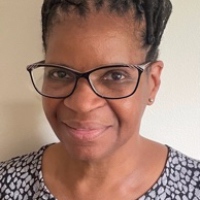
Ohio · 12 yrs exp
Addictions · Relationship · Self esteem · Stress, Anxiety · +11 more
Read profile
Ohio · 13 yrs exp
Stress, Anxiety · Depression · Coping with life changes · Addictions · +8 more
Read profile
Ohio · 33 yrs exp
Stress, Anxiety · LGBT · Family · Trauma and abuse · +15 more
Read profile
Ohio · 16 yrs exp
Stress, Anxiety · Addictions · Relationship · Grief · +11 more
Read profile
Ohio · 3 yrs exp
Relationship · Trauma and abuse · Career · Depression · +9 more
Read profile
Ohio · 14 yrs exp
Stress, Anxiety · Addictions · LGBT · Trauma and abuse · +14 more
Read profile
Ohio · 10 yrs exp
Stress, Anxiety · Trauma and abuse · Anger · Self esteem · +11 more
Read profile
Ohio · 20 yrs exp
Stress, Anxiety · Relationship · Self esteem · Depression · +7 more
Read profile
Ohio · 30 yrs exp
Stress, Anxiety · Trauma and abuse · Anger · Bipolar · +10 more
Read profile
Ohio · 13 yrs exp
Stress, Anxiety · Relationship · Trauma and abuse · Self esteem · +1 more
Read profile
Ohio · 20 yrs exp
Stress, Anxiety · Trauma and abuse · Grief · Anger · +11 more
Read profile
Ohio · 12 yrs exp
Stress, Anxiety · Relationship · Family · Trauma and abuse · +9 more
Read profile
Ohio · 45 yrs exp
Stress, Anxiety · Addictions · Trauma and abuse · Grief · +13 more
Read profile
Ohio · 21 yrs exp
Stress, Anxiety · Relationship · Family · Trauma and abuse · +14 more
Read profile
Ohio · 20 yrs exp
Addictions · Relationship · Trauma and abuse · Depression · +11 more
Read profile
Ohio · 6 yrs exp
Stress, Anxiety · Family · Trauma and abuse · Parenting · +8 more
Read profile
Ohio · 22 yrs exp
Stress, Anxiety · Relationship · Trauma and abuse · Bipolar · +16 more
Read profileOver the past several years online therapy has become an established option for people across Ohio, from dense urban neighborhoods to smaller towns and rural communities. Regulations in the state allow licensed clinicians to provide virtual mental health care to residents within Ohio, and many professionals now offer video sessions, phone-based counseling, and asynchronous messaging. These options let you connect with a clinician who fits your needs without being limited by geography. Whether you live near Cleveland, Columbus, Cincinnati, or in a more remote county, you can often find a therapist whose training, language skills, and treatment approach match what you want to address. Availability can vary by specialty, so some clinicians focus on young adults, couples, or trauma, while others work primarily with older adults, parents, or people navigating major life transitions.
When looking for Ohio-based online therapy you will encounter a mix of independent practitioners and clinicians who work in group practices. Many provide initial consultations so you can determine fit before committing to a full course of sessions. It is also common to find therapists who combine virtual care with occasional in-person meetings if that suits your preferences and the clinician s practice model. Overall, online therapy in Ohio aims to expand access and give you more options for finding a good match.
Because mental health licensing is state-based, working with a clinician licensed in Ohio means that the therapist is authorized under Ohio regulations to provide care to people who live in the state. That local licensure helps ensure the clinician meets the state s professional and legal requirements and can practice within the jurisdiction where you receive services.
Online therapy offers flexibility that can make consistent care easier to maintain alongside work, family, and school obligations. You can schedule sessions outside of traditional business hours or during a lunch break without factoring in travel time. For people in areas with limited local mental health resources, virtual care removes geographic barriers and widens your choice of clinicians. That can be particularly helpful if you need a specialist who practices a specific modality or works with a particular population.
Therapy delivered virtually also supports continuity of care during life changes. If you are relocating within Ohio, traveling for an extended period, or temporarily away from your usual community, continuing sessions online helps prevent gaps in treatment. Many people appreciate being able to have a session from a parked car between errands, from an office during a break, or from home as long as they can find a private space for the conversation. Cost and insurance considerations can vary, so it is worthwhile to check whether a clinician accepts your plan or offers a sliding fee arrangement. In many cases online therapy can be as effective for building coping skills, reducing distress, and improving daily functioning as in-person care, especially when you find a clinician whose approach fits your needs.
Online therapists in Ohio address a broad range of mental health and relationship concerns. Many people seek help for anxiety, depression, stress management, grief, and life transitions such as career change or family shifts. Couples and family clinicians work with relationship conflicts, parenting challenges, and co-parenting after separation. Therapists trained in trauma-informed care assist people processing past or recent traumatic experiences, while clinicians who practice evidence-based modalities like cognitive behavioral therapy support people forming new patterns of thinking and behavior.
Other common areas of focus include substance use support, anger management, workplace stress, and identity-related concerns including cultural or faith-based issues. Some therapists offer specialized services for adolescents and young adults, attention and executive function coaching, or support for chronic illness adjustment. When choosing a clinician you can look for mentions of specific methods such as mindfulness-based approaches, dialectical behavior therapy skills, or therapeutic techniques that address both mood and relationship dynamics. If you have complex needs, you may seek a therapist who coordinates care with medical providers or who has experience collaborating with psychiatrists, schools, or community agencies to build a treatment plan that fits your life.
Verifying that a clinician is licensed to practice in Ohio is an important step before beginning therapy. Start by asking the therapist for their full name, license type, and license number. Most clinicians will provide this information on their profile or upon request. With those details in hand you can check the relevant Ohio licensing board for the clinician s discipline to confirm active status, expiration date, and whether any disciplinary actions are listed. There are different licensing boards for psychologists, professional counselors, social workers, and marriage and family therapists, so you may need to consult the appropriate board depending on the clinician s title.
When you review a license record, look for an active designation and any notes about restrictions or formal actions. If you see a term you do not understand, contact the licensing board directly for clarification by phone or email. You can also ask the clinician about their education, clinical training, supervision history, and areas of specialty. Reputable therapists are willing to share their licensure details, clinical focus, and professional affiliations. Confirming licensure gives you a clearer picture of the clinician s formal qualifications and helps you decide whether to move forward with a consultation.
If a clinician cannot or will not provide a license number, or if an online search shows a license that is inactive or has unresolved disciplinary findings, treat those as important signals to investigate further. Asking direct questions and seeking documentation will help you make an informed choice about who you invite into your care.
Beginning online therapy starts with clarifying what you hope to achieve and what logistics matter to you. Consider whether you prefer video or phone sessions, if you need evening or weekend availability, whether language or cultural competency is important, and if insurance coverage will influence your decision. Reach out to therapists whose profiles match your priorities and request a brief consult. Many clinicians offer a free or reduced-fee initial conversation so you can ask about their approach, experience working with concerns like yours, session length, cost, cancellation policies, and how they handle emergencies in your area.
During your first session you will get a sense of how the therapist listens, the kinds of questions they ask, and whether their style feels supportive and practical for you. If you do not feel a connection after a few sessions it is reasonable to try another clinician. Choosing the right therapist often involves testing fit - good therapy depends as much on the relationship as on any single technique. Ask about measurable goals, how progress will be reviewed, and what to expect over time so you can assess whether therapy is moving in the direction you want.
Prepare for your sessions by picking a quiet, private space if possible and checking that your internet connection and device camera and microphone work. Clarify fees and insurance ahead of time and request a copy of the clinician s intake paperwork so you know what information will be discussed. If you have specific needs such as language preferences, accessibility accommodations, or a history of trauma, mention those early so you can determine whether the clinician has relevant experience. Finally, give yourself permission to change clinicians if something does not feel right. Therapy is an investment in your well-being, and finding a clinician who understands your goals and communicates clearly will increase the chances that you get the support you need.
By taking these steps - verifying credentials, asking targeted questions, and trusting your experience during early sessions - you can find an Ohio online therapist who fits your life and helps you move forward. Use the listings above to compare profiles and reach out to clinicians who align with your goals and schedule.
Anger
4533 therapists
Depression
5876 therapists
Grief
5092 therapists
Guilt and Shame
4896 therapists
Mood Disorders
3866 therapists
Panic Disorder and Panic Attacks
3731 therapists
Post-Traumatic Stress
5037 therapists
Self Esteem
5761 therapists
Stress & Anxiety
6252 therapists
Trauma and Abuse
5987 therapists