
Jennifer Malkin
LPC· Accepting clientsSouth Carolina · 20 yrs exp
Stress, Anxiety · LGBT · Relationship · Trauma and abuse · +14 more
Read profileThe therapist listings are provided by BetterHelp and we will earn a commission if you use our link - at no cost to you.
Welcome to our South Carolina directory for online therapists. All therapists listed here are licensed to practice in the state and offer telehealth sessions across South Carolina. Explore the profiles below to compare specialties, credentials, and availability so you can take the next step toward support.
South Carolina · 20 yrs exp
Stress, Anxiety · LGBT · Relationship · Trauma and abuse · +14 more
Read profile
South Carolina · 36 yrs exp
Stress, Anxiety · Addictions · Family · Trauma and abuse · +3 more
Read profile
South Carolina · 25 yrs exp
Stress, Anxiety · LGBT · Relationship · Trauma and abuse · +9 more
Read profile
South Carolina · 8 yrs exp
Stress, Anxiety · Trauma and abuse · Self esteem · Depression · +16 more
Read profile
South Carolina · 8 yrs exp
Stress, Anxiety · Trauma and abuse · Anger · Bipolar · +13 more
Read profile
South Carolina · 20 yrs exp
Stress, Anxiety · Relationship · Trauma and abuse · Anger · +11 more
Read profile
South Carolina · 6 yrs exp
Stress, Anxiety · Trauma and abuse · Grief · Depression · +9 more
Read profile
South Carolina · 6 yrs exp
Stress, Anxiety · Relationship · Trauma and abuse · Anger · +14 more
Read profile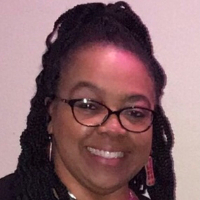
South Carolina · 25 yrs exp
Stress, Anxiety · Addictions · Relationship · Family · +9 more
Read profile
South Carolina · 15 yrs exp
Stress, Anxiety · Self esteem · Career · Depression · +11 more
Read profile
South Carolina · 11 yrs exp
Stress, Anxiety · Relationship · Family · Trauma and abuse · +9 more
Read profile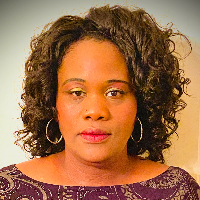
South Carolina · 9 yrs exp
Stress, Anxiety · Trauma and abuse · Grief · Depression · +16 more
Read profile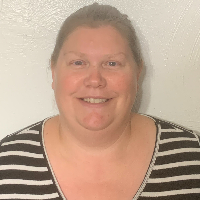
South Carolina · 18 yrs exp
Stress, Anxiety · Relationship · Trauma and abuse · Self esteem · +13 more
Read profile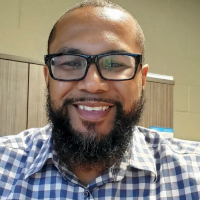
South Carolina · 11 yrs exp
Stress, Anxiety · Family · Self esteem · Depression · +16 more
Read profile
South Carolina · 17 yrs exp
Stress, Anxiety · Grief · Anger · Self esteem · +8 more
Read profile
South Carolina · 19 yrs exp
Stress, Anxiety · Trauma and abuse · Anger · Self esteem · +10 more
Read profile
South Carolina · 16 yrs exp
Stress, Anxiety · Relationship · Family · Anger · +9 more
Read profile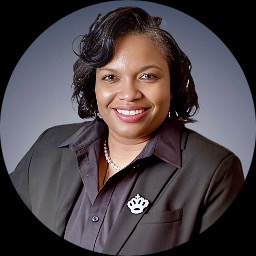
South Carolina · 15 yrs exp
Stress, Anxiety · LGBT · Family · Trauma and abuse · +14 more
Read profile
South Carolina · 18 yrs exp
Stress, Anxiety · LGBT · Relationship · Family · +12 more
Read profile
South Carolina · 8 yrs exp
Stress, Anxiety · Relationship · Self esteem · Depression · +10 more
Read profile
South Carolina · 21 yrs exp
Addictions · Trauma and abuse · Eating · Self esteem · +7 more
Read profile
South Carolina · 10 yrs exp
Stress, Anxiety · Relationship · Family · Trauma and abuse · +2 more
Read profile
South Carolina · 15 yrs exp
Addictions · Family · Trauma and abuse · Anger · +14 more
Read profile
South Carolina · 8 yrs exp
Trauma and abuse · Self esteem · Coping with life changes · ADHD · +7 more
Read profileOnline therapy has become a widely available option for residents across South Carolina, from coastal communities to inland towns. Providers licensed in the state offer video and phone sessions that mirror many aspects of in-person care, allowing you to connect from home, work, or another location that suits you. Telehealth options vary by clinician - some offer evening or weekend hours to accommodate work schedules, while others focus on daytime appointments. Insurance coverage, sliding scale fees, and employer-provided benefits can all affect how you access and pay for online therapy, so it is useful to check coverage details before booking. While many therapists work exclusively online, others combine virtual and occasional in-person sessions to match your needs. In areas with limited local options, online access can expand your choices and let you find a therapist whose approach and training align with what you want to address.
There are practical benefits to choosing online therapy that may be especially relevant if you live in South Carolina. You save travel time and can avoid traffic on busy routes like those around metropolitan hubs. If you live in a rural county where few clinicians practice, online sessions broaden the pool of available therapists so you can find the right fit rather than settling for the nearest option. Online therapy can also be more flexible when your schedule is tight, offering earlier or later appointments and reducing the need to take time off work. For people managing mobility limitations, caregiving responsibilities, or chronic conditions, remote sessions make consistent care easier to maintain. You may also find that virtual sessions help you feel more comfortable initially, because you are meeting from an environment you control. That said, some therapeutic work benefits from in-person interaction; you and your therapist can discuss which format best supports your goals and make adjustments over time.
Online therapists in South Carolina provide support for a broad range of concerns. Many people seek help for anxiety and depression, and therapists offer evidence-informed techniques to manage symptoms, build coping skills, and set goals. Couples and family therapists address relationship patterns, communication challenges, and parenting concerns, adapting strategies for virtual sessions. Trauma-informed clinicians work with individuals processing past events and developing safety and grounding skills. Other common areas of focus include stress related to work or school, grief and loss, life transitions such as relocation or retirement, and identity-related issues including LGBTQ+ support. Therapists also assist with behavioral issues, substance use concerns, and building resilience. If you have specific needs - for example, therapy informed by cultural background, faith, or a particular therapeutic orientation - you can look for clinicians who list those specialties. While online therapy is versatile, certain acute crises or medical concerns may require immediate in-person care or coordination with other professionals, so a clinician will help you plan for the safest path forward when needed.
Verifying a therapist's license is an important step to ensure you are working with a clinician authorized to practice in South Carolina. You can start by checking the state licensing board relevant to the therapist's profession; counselors, social workers, and psychologists are typically overseen by different boards. On the board's website you can search by the clinician's name or license number to confirm that the license is active and to view the license type. The record often lists issuance and expiration dates and any disciplinary actions or restrictions, if applicable. If a therapist practices under a supervised or provisional status, that information will usually appear on the public record as well. If you are uncertain which board to consult, ask the therapist directly which credential they hold and where it is issued, and then verify that information online. Keeping a copy of the license number or a link to the board record can be helpful for future reference. This verification step gives you factual information about training and standing, and it supports a more informed decision when you compare potential therapists.
Begin by thinking about what you hope to address in therapy and the qualities that matter most in a clinician. When you view therapist profiles, look for information about specialties, approaches, training, and session formats. Many therapists offer a brief phone consultation or an introductory video call so you can get a sense of rapport before committing to regular sessions. Prepare questions about logistics like fees, insurance, cancellation policies, and whether the therapist can coordinate care with other providers if needed. Make sure your device and internet connection support video meetings and choose a private space for your session where you feel comfortable talking. Setting clear goals with your therapist during the first few sessions helps both of you measure progress and make changes if the fit is not right.
Choosing a therapist is both practical and personal. Prioritize credentials and relevant experience, but also consider whether you feel understood and respected during initial interactions. Look for clinicians who describe their therapeutic approach in plain language so you know what to expect in a session. If cultural competence or lived experience is important to you, seek therapists who highlight that expertise. Consider logistics such as availability, session length, and whether the clinician uses a secure platform for telehealth and electronic records. Trust your instincts - if a therapist’s communication style or therapeutic direction does not feel aligned with your needs after a few sessions, it is reasonable to discuss adjustments or to find another clinician. Many people try two or three therapists before finding the best match. Finally, be aware of practical boundaries: therapists should be transparent about fees and policies, and they will help you identify other resources or emergency options if at any point your needs exceed what can be safely managed in online therapy.
As you start or continue therapy, think of the process as an active collaboration. You bring knowledge of your own life, and the therapist contributes training and perspective. Regularly reviewing your goals and what is or is not helping keeps sessions focused and productive. If cost is a concern, discuss sliding scale options, community clinics, or group therapy alternatives that some providers offer. If you are using insurance, confirm whether virtual visits are covered and understand any out-of-pocket responsibilities. For students, veterans, or employees, there may be additional resources through educational institutions, veteran services, or employer assistance programs. Above all, give yourself permission to seek a different approach if something does not feel right - therapy is most effective when you feel heard and supported by the person guiding your work. With thoughtful choices and clear communication, online therapy can be a flexible and accessible path to meaningful change in South Carolina.
Anger
4533 therapists
Depression
5876 therapists
Grief
5092 therapists
Guilt and Shame
4896 therapists
Mood Disorders
3866 therapists
Panic Disorder and Panic Attacks
3731 therapists
Post-Traumatic Stress
5037 therapists
Self Esteem
5761 therapists
Stress & Anxiety
6252 therapists
Trauma and Abuse
5987 therapists