
Brandon Woffinden
LCMHC· Accepting clientsUtah · 10 yrs exp
Stress, Anxiety · Addictions · Trauma and abuse · Grief · +14 more
Read profileThe therapist listings are provided by BetterHelp and we will earn a commission if you use our link - at no cost to you.
Welcome to our directory of online therapists serving Utah. All clinicians listed here are licensed to practice in Utah and offer virtual sessions across the state. Explore the profiles below to find a therapist whose experience and approach match your needs.
Utah · 10 yrs exp
Stress, Anxiety · Addictions · Trauma and abuse · Grief · +14 more
Read profile
Utah · 21 yrs exp
Stress, Anxiety · Family · Bipolar · Depression · +15 more
Read profile
Utah · 21 yrs exp
Relationship · Family · Trauma and abuse · Intimacy-related issues · +14 more
Read profile
Utah · 11 yrs exp
Stress, Anxiety · Addictions · Relationship · Trauma and abuse · +16 more
Read profile
Utah · 7 yrs exp
Stress, Anxiety · Relationship · Trauma and abuse · Self esteem · +9 more
Read profile
Utah · 12 yrs exp
Stress, Anxiety · Addictions · Relationship · Family · +14 more
Read profile
Utah · 8 yrs exp
Stress, Anxiety · Addictions · Trauma and abuse · Depression · +7 more
Read profile
Utah · 12 yrs exp
Stress, Anxiety · Family · Trauma and abuse · Parenting · +12 more
Read profile
Utah · 35 yrs exp
Relationship · Family · Trauma and abuse · Intimacy-related issues · +16 more
Read profile
Utah · 8 yrs exp
Stress, Anxiety · LGBT · Trauma and abuse · Intimacy-related issues · +14 more
Read profile
Utah · 5 yrs exp
Relationship · Family · Self esteem · Depression · +16 more
Read profile
Utah · 14 yrs exp
Stress, Anxiety · Grief · Depression · Coping with life changes · +14 more
Read profile
Utah · 20 yrs exp
Stress, Anxiety · Addictions · Relationship · Family · +13 more
Read profile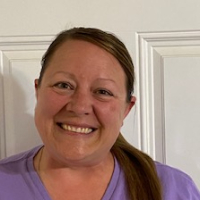
Utah · 9 yrs exp
Stress, Anxiety · Addictions · Trauma and abuse · Self esteem · +9 more
Read profile
Utah · 11 yrs exp
Stress, Anxiety · Relationship · Trauma and abuse · Self esteem · +13 more
Read profile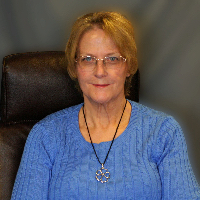
Utah · 25 yrs exp
Stress, Anxiety · Family · Trauma and abuse · Anger · +15 more
Read profile
Utah · 20 yrs exp
Relationship · Family · Trauma and abuse · Parenting · +13 more
Read profile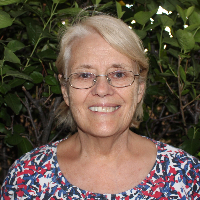
Utah · 18 yrs exp
Stress, Anxiety · Trauma and abuse · Grief · Anger · +13 more
Read profile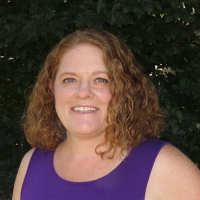
Utah · 13 yrs exp
Stress, Anxiety · Addictions · Trauma and abuse · Depression · +11 more
Read profile
Utah · 10 yrs exp
Stress, Anxiety · Addictions · LGBT · Trauma and abuse · +11 more
Read profile
Utah · 34 yrs exp
Relationship · Trauma and abuse · Self esteem · Bipolar · +13 more
Read profile
Utah · 20 yrs exp
Stress, Anxiety · Addictions · Trauma and abuse · Self esteem · +12 more
Read profile
Utah · 12 yrs exp
Stress, Anxiety · Relationship · Family · Grief · +13 more
Read profile
Utah · 16 yrs exp
Stress, Anxiety · Family · Self esteem · Depression · +10 more
Read profileIf you are exploring therapy options in Utah, you will find that online therapy has become a widely used and accepted way to receive mental health care. Providers licensed in Utah are able to offer remote counseling by video or phone, and many clinicians have adapted their practices to reach clients across urban and rural areas alike. Regulations in Utah require therapists to hold appropriate state licensure to offer clinical services to residents, so the therapists you find listed here meet those licensing standards. Telehealth practices continue to evolve, and therapists often post their telehealth policies, technology requirements and session formats on their profiles so you can get a sense of how they work before you reach out. In short, online therapy in Utah offers a practical alternative when in-person visits are not convenient, when you need greater scheduling flexibility or when you prefer the comfort of meeting from a familiar location.
Online therapy can be especially helpful if you live in a remote part of Utah or if travel is a barrier. Many Utah residents find that virtual sessions reduce commute time and make it easier to fit therapy into a busy week. You may also appreciate the ability to maintain continuity of care when life requires travel or relocation within the state. The virtual setting can make it easier to access clinicians with specialized training that might not be available nearby, such as trauma-informed therapists, clinicians who work with specific communities or those who use particular evidence-based treatments. For some people, online therapy feels less intimidating than an office visit and can lower the threshold for reaching out for help. Technology can also support different modes of communication - video, phone or asynchronous messaging - so you can choose a format that matches your comfort level. Many therapists outline how they protect your information and handle emergencies on their intake pages so you know what to expect when you begin.
Online therapists in Utah address a wide range of concerns across the lifespan. You can turn to virtual therapy for emotional challenges such as anxiety, depression and stress. Couples and families often use online sessions to work on communication, parenting differences or relationship transitions. Therapists trained in trauma work provide remote care for those processing past events and seeking symptom relief. Life changes such as career transitions, grief or major medical issues are also commonly supported through therapy. In addition, there are clinicians who specialize in attention and behavioral support, substance use recovery counseling, and support for identity-related concerns including LGBTQ+ matters. If you are managing chronic health conditions, anxiety about medical procedures or caregiving stress, therapists can help you develop coping strategies and problem-solving skills. Because online therapy expands access, you may find therapists who combine culturally informed approaches, faith-sensitive care, or language-specific services to better match your background and values.
Before beginning work with an online therapist, it is wise to confirm that they hold the appropriate license to practice in Utah. Therapists may hold different types of credentials - for example, licensed professional counselors, licensed clinical social workers, marriage and family therapists or psychologists - and each license type has its own scope of practice. You can verify a license through the Utah Division of Occupational and Professional Licensing by searching using a clinician's full name or license number. The license lookup will show whether a license is active, its expiration date and whether there are any public disciplinary actions or restrictions. If a clinician is licensed in another state and offers cross-state services, you should confirm that they are legally permitted to provide care to someone located in Utah at the time of the appointment. When reviewing a profile, look for clear license information and feel free to ask the clinician directly for their license number and how they handle telehealth documentation. This due diligence helps you feel confident that the clinician meets state requirements and practices within the legal scope of their credential.
Starting therapy online begins with clarifying what you want to address. Think about the issues that matter most to you, the type of support you prefer - short-term skills work or longer-term depth therapy - and any practical needs such as evening availability or language preferences. Use the directory profiles to compare therapist specialties, therapeutic approaches and background details. When you reach out to a clinician, you can ask about their experience with your primary concerns, what a typical session looks like and how progress is measured. Many therapists offer a brief phone or video consultation so you can get a sense of rapport before committing to ongoing sessions.
In your first online session, you can expect to cover intake information, your current goals and relevant history. The clinician will outline their approach to treatment, fee structure, cancellation policy and emergency procedures. You will have a chance to ask practical questions about technology, session length and how to prepare for virtual meetings. Some therapists may offer short assessments or screening tools to guide the initial plan. It is normal to feel a mix of hope and nervousness before the first appointment; most therapists will work to create a safe setting where you can begin to share at a pace that feels manageable.
Choosing the right therapist often comes down to a combination of clinical fit and personal comfort. Pay attention to whether the therapist has experience with the issues you want to address and whether their therapeutic approach aligns with your preferences. Consider practical factors such as session times, fees, insurance acceptance and whether they offer a sliding scale if cost is a concern. Cultural competence and an understanding of values that matter to you - including religious, cultural or identity-related considerations - can influence how comfortable you feel in therapy. If you are seeking specialized care, look for clinicians who list relevant trainings or certifications and who describe outcomes they typically target. After a few sessions, evaluate whether you feel heard and whether the approach seems to be helping you move toward your goals. It is okay to switch therapists if the fit is not right - a good match increases the likelihood that you will engage consistently and make meaningful progress.
Beginning online therapy is a practical step toward addressing emotional and life challenges while fitting care into your daily routine. You can use this directory to narrow your options, confirm licensure and reach out for introductory conversations. Trust your instincts about who feels like the right partner in your process, and remember that seeking support is a proactive step toward well-being. When you find a therapist who matches your needs and schedule, you can start work on concrete strategies and insights that help you navigate the next chapter of your life in Utah.
Anger
4533 therapists
Depression
5876 therapists
Grief
5092 therapists
Guilt and Shame
4896 therapists
Mood Disorders
3866 therapists
Panic Disorder and Panic Attacks
3731 therapists
Post-Traumatic Stress
5037 therapists
Self Esteem
5761 therapists
Stress & Anxiety
6252 therapists
Trauma and Abuse
5987 therapists